
Understanding Nutritional Foundations
The Science of Macronutrients and Micronutrients
Introduction to Nutritional Science
Nutrition forms the foundation of human physiology. Every cell in the body requires specific nutrients to function, grow, and repair itself. Understanding these basic principles helps contextualize how different foods and dietary patterns affect our bodies.
This article explores the fundamental building blocks of nutrition: macronutrients and micronutrients, and their essential roles in maintaining health and supporting bodily functions.
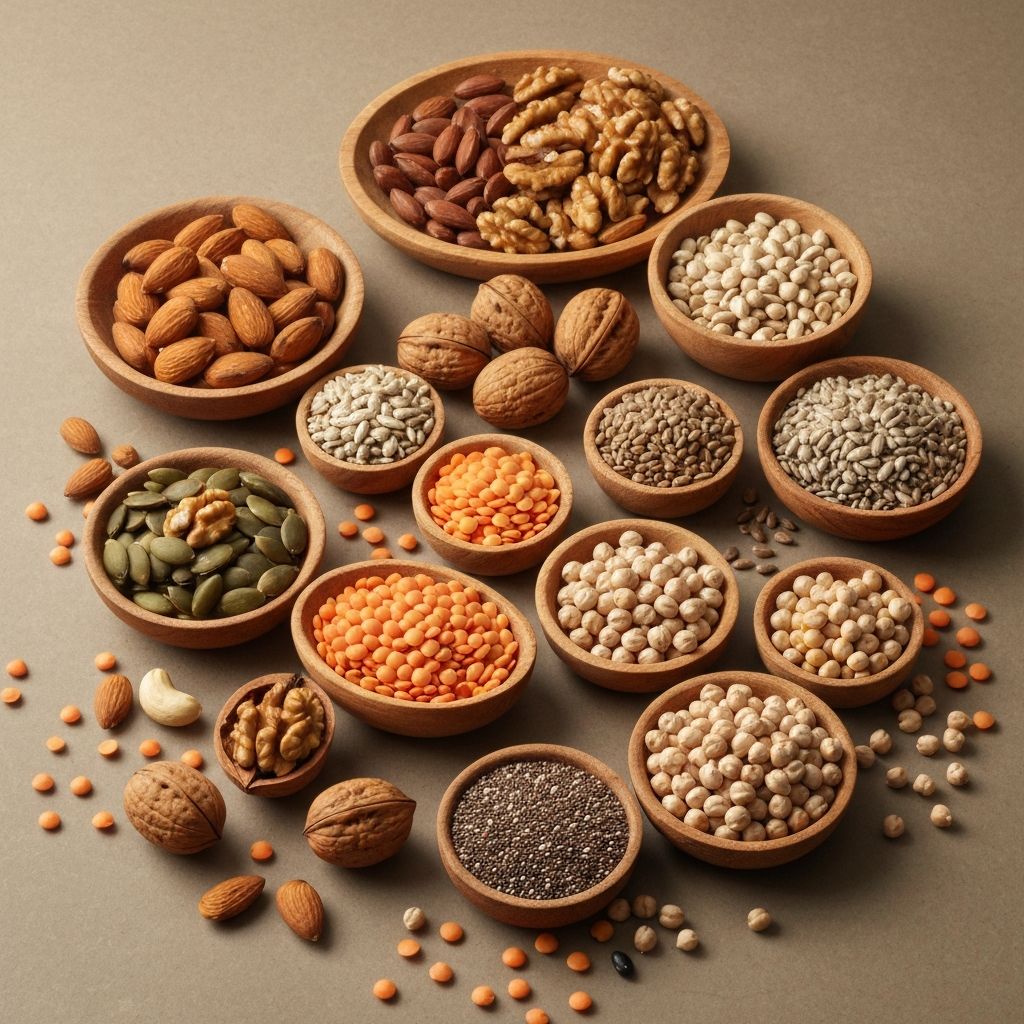
Macronutrients: The Energy Providers
- Carbohydrates
- Organic compounds composed of carbon, hydrogen, and oxygen that serve as the body's primary source of energy. Found in grains, fruits, vegetables, and legumes.
- Proteins
- Complex molecules made up of amino acids that are essential for building and repairing tissues, creating enzymes, and producing hormones.
- Lipids (Fats)
- Energy-dense macronutrients that support cell structure, hormone production, and nutrient absorption. Include both saturated and unsaturated varieties.
Carbohydrates
Carbohydrates are the body's preferred energy source. When consumed, they are broken down into glucose, which cells use for energy production. There are different types of carbohydrates, ranging from simple sugars to complex starches and fiber, each with distinct effects on blood sugar and satiety.
Proteins
Proteins are essential macronutrients composed of amino acids. The human body can produce some amino acids, but others—called essential amino acids—must be obtained from food sources. Proteins support muscle maintenance, immune function, and countless enzymatic processes.
Fats
Despite often being discussed negatively, dietary fats are essential for survival. They provide energy, enable absorption of fat-soluble vitamins, support brain function, and contribute to hormone production. Different types of fats have different effects on health.
Micronutrients: The Enablers
While macronutrients provide energy and building materials, micronutrients—vitamins and minerals—enable countless biological processes. These compounds are required in smaller quantities but are absolutely essential.
Vitamins
Vitamins are organic compounds that support immune function, energy metabolism, bone health, and vision. They are classified as either fat-soluble (vitamins A, D, E, K) or water-soluble (B vitamins and vitamin C), with different absorption and storage characteristics.
Minerals
Minerals such as calcium, iron, potassium, magnesium, and zinc support bone structure, oxygen transport, muscle function, and numerous enzymatic reactions. Each mineral plays distinct roles in maintaining physiological balance.
Nutrient Density and Food Variety
Not all foods with similar macronutrient profiles provide the same micronutrient density. For example, a serving of refined white bread and a serving of whole grain bread both contain carbohydrates, but the whole grain version contains more fiber, vitamins, and minerals—making it more nutrient-dense.
The Importance of Variety
Different foods contain different combinations of nutrients. Consuming a variety of fruits, vegetables, grains, legumes, and protein sources ensures that your body receives the full spectrum of necessary nutrients. This principle of dietary diversity is supported across cultures and dietary approaches.
Continue Exploring
Discover more articles on related topics in our insights collection.